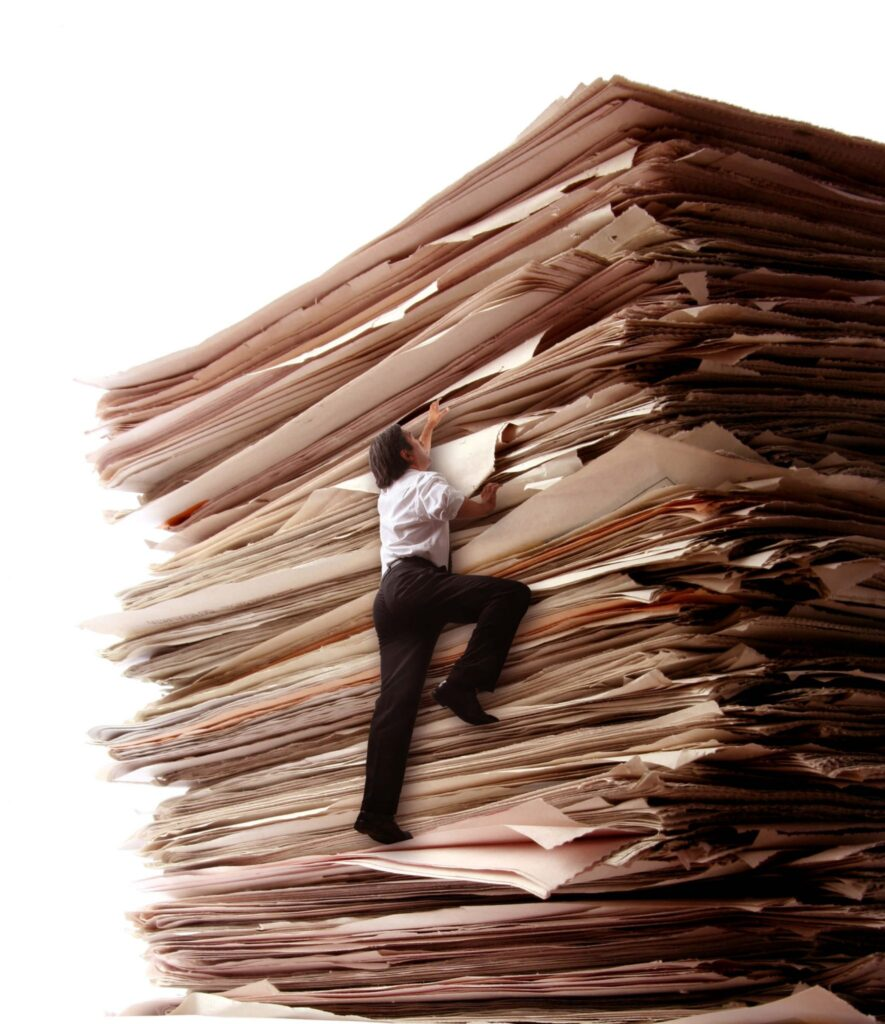
The accumulating burden of Quick-and-dirty.
- thomasoverbergh1
- Jul 31, 2025
- 2 min read
Updated: Aug 5, 2025
How short-term research habits are draining long-term potential.
In research, “quick-and-dirty” often feels like the only option. There’s pressure to produce results, meet deadlines, publish, and move on. So, we cut corners. We store data wherever it's easiest, skip documentation “for now,” and communicate just enough to keep things moving.
But quick-and-dirty has a cost - and it’s growing.
With the average PhD or postdoc staying in a research group for just 3 to 5 years, academic teams experience high turnover. When researchers leave, they often take their undocumented knowledge with them. If the professor is lucky, they’ll get a hastily compiled data dump - unlabeled folders, cryptically named files, and unanswered questions. The rest? Lost to memory and time.
And then the cycle repeats.
The next PhD arrives and, in the absence of clear processes or structured systems, has to re-invent the wheel: Where do I store my data? How should I organize it? What even is this folder called “Results_Old_Maybe”? Hours -read: weeks- are lost in trying to make sense of what came before. Endless communication, unanswered emails, and meetings to fill in the blanks drain resources without moving the science forward.
This hidden inefficiency isn’t just a minor inconvenience, it’s a major obstacle to innovation. When every project begins with confusion and cleanup, research teams lose valuable time that could’ve been spent discovering something new.
At DOPLr, we believe this doesn’t have to be the norm. Our platform supports consistent, collaborative, and compliant research data management from day one. It helps research teams capture knowledge as they go, making transitions smoother and ensuring that valuable insights don’t disappear with the next goodbye email.
Because research is hard enough without starting from scratch; every single time.
Let’s stop paying the price for “quick-and-dirty.” Let’s build research that lasts.